[ad_1]
The post How to Invest in Uranium by Sarah Edwards appeared first on Benzinga. Visit Benzinga to get more great content like this.
The world is transitioning to clean energy, and nuclear power is re-emerging as a key player in the fight against climate change.
With minor emissions, nuclear power plants can fuel the generation of reliable, steady baseload energy that’s needed to drive global economies.
This resurgence, including 70 new nuclear reactors under construction in 15 countries and 318 proposed, has investors talking about how to invest in uranium. Here’s a look at how you can do it.
window.LOAD_MODULE_LAYOUT = true;
Table of contents
[Show]
Understanding Uranium and Its Uses
Nuclear power fuels just under 10% of electricity production worldwide, but it accounts for about 25% of global low-carbon electric generation. It’s second only to hydropower in producing low-emissions electricity.
Fossil fuels — coal at 35% and natural gas at 22% — led electric generation in 2023, followed by hydropower at 15%, and renewables (solar, wind, geothermal and tidal) at 13%. Oil and other fuel sources at 3% apiece accounted for the remaining global electricity production.
In January 2025, the International Energy Agency declared the beginning of a new era for nuclear energy as the world’s demand for clean and secure power grows. The 70 nuclear power plants under construction worldwide represent nearly 77 gigawatts of new nuclear energy.
This will create demand that is expected to far outpace uranium production, supporting higher uranium prices.
How to Invest in Uranium
To invest in uranium, you can invest in trusts that own physical uranium, buy shares of the companies that mine the silvery-white metal or put your money in uranium exchange-traded funds. Here’s how to invest in uranium:
Physical Investment in Uranium
Uranium, unlike other commodities, isn’t readily available for you to buy on the open market, although futures are available through the CME Group. You can also gain unique exposure to physical uranium through a trust.
The trust owns the physical uranium. Buying units in it is the closest way you can speculate on uranium spot prices.
The world’s largest uranium fund is the Sprott Physical Uranium Trust (SRUUF), which holds uranium oxide and uranium hexafluoride in storage facilities.
Uranium Mining Companies
An indirect way of investing in uranium is to buy shares of companies that mine or explore it. Uranium stocks might offer your best chance at high returns, but they come with the risks of individual companies.
Larger mining companies can provide the most stability if you are just starting out. Just a handful of the largest publicly traded mining companies showed a profit in 2024.
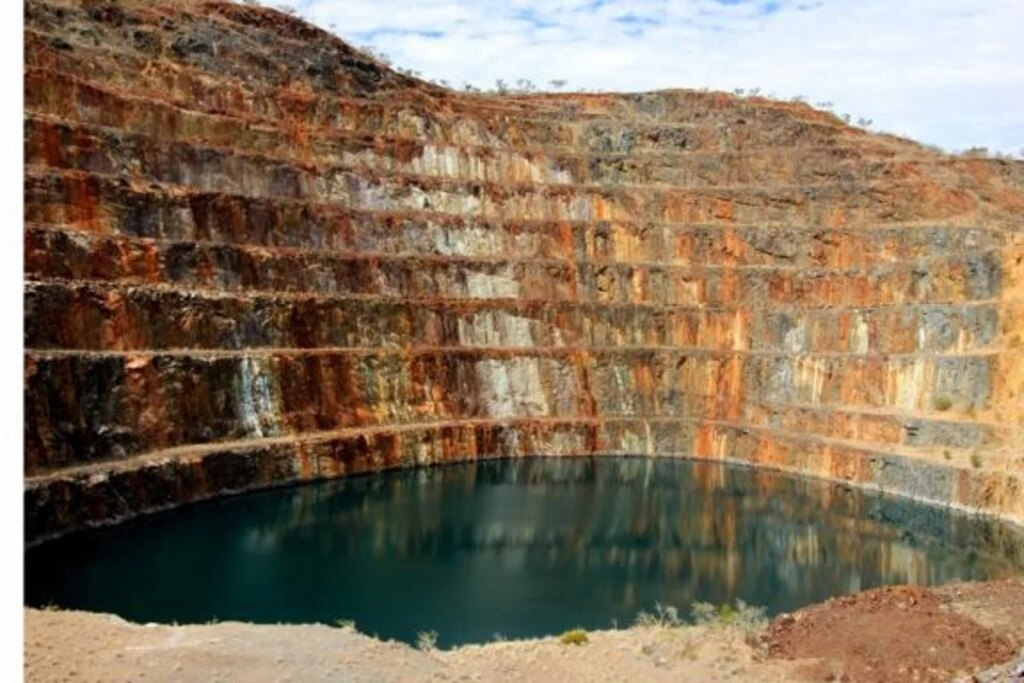
Understanding where the mine is located can help you make decisions about which uranium stocks to buy. Kazakhstan, Canada and Namibia are the top uranium-producing countries.
Three of the biggest uranium-related companies by market capitalization are BHP Group Ltd. (BHP), Cameco Corp. (CCJ) and Denison Mines Corp. (DNN).
Uranium Exchange-Traded Funds
Exchange-traded funds pool money from investors to buy baskets of assets. In this case, the assets are uranium stocks. ETFs may be the most common way investors buy into uranium.
Buying a uranium ETF allows you to diversify your holdings. You can buy a uranium or nuclear ETF that holds the stocks of mining companies, the stocks of nuclear energy companies or both in a single fund.
Three of the biggest uranium ETFs by asset value are Global X Uranium ETF (URA), Sprott Uranium Miners ETF (URNM) and the VanEck Uranium and Nuclear ETF (NLR).
Benefits of Investing in Uranium
After nearly a decade of the uranium market being down, uranium and nuclear power are gaining momentum as part of a long-term strategy to combat global warming. That upswing creates benefits for investors.
Here’s why you might consider investing in uranium:
- A nuclear resurgence amid rising global energy demand
- A uranium supply and demand imbalance offering price support
- Government support behind the nuclear renaissance
- Growth of energy-hungry data centers to support artificial intelligence growth
- The need for clean, efficient baseload electricity
Historically, uranium has held a low correlation to stocks and bonds, so it can diversify your investment portfolio.
Risks of Investing in Uranium
Market and price risks include a potential mismatch in supply and demand. Production has typically lagged behind need, but an upswing could create oversupply and drop prices. Uranium has also been sensitive to economic uncertainty.
Geopolitical factors that may impact investments include the concentration of supply in unstable regions, sanctions and bans because of the war in Ukraine, reliance of Western utilities on foreign suppliers, and U.S. tariffs and import restrictions against Russia, a major uranium supplier.
Investors also run the risk of regulatory changes in a heavily regulated industry, permitting delays in an already extensive process and the possibility of an industry setback by another disaster like Japan’s Fukushima nuclear accident of 2011.
Decide Whether Investing in Uranium Fits Your Portfolio
As countries search for energy security, along with ways to reduce carbon emissions and develop economically, the nuclear energy industry has emerged to play a significant role in helping them commit to those goals.
The resurgence in nuclear power boosted the price of uranium to a two-decade high of $105.91 per pound in February 2024, continuing momentum from price increases in 2023. A new era in the nuclear industry, including global financial backing, is expected to support uranium prices.
Now that you know how to invest in uranium, consider whether doing so would work well with your goals, financial situation and risk tolerance.
Frequently Asked Questions
What is the best ETF for uranium?
The best ETF for uranium depends on whether you want to focus on mine companies or take a broader perspective on the nuclear energy industry. The top choices to consider are the Sprott Uranium Miners ETF (URNM) for miners or the Global X Uranium ETF (URA) and VanEck Uranium and Nuclear ETF (NLR) for more diversification across the industry. The Sprott Physical Uranium Trust (SRUUF) can give you unique exposure to the physical commodity.
Is uranium stock a good investment?
The definition of a good stock purchase varies from person to person, but uranium stocks have considerable upside potential given that demand is projected to outstrip supply for the rest of the decade. Uranium stocks also come with high risks. The nuclear energy industry is experiencing volatility amidst geopolitical turmoil, economic uncertainty and technological factors.
How do I buy uranium shares?
You can buy shares of companies that produce uranium, ETFs that hold shares of those companies and trusts that hold physical uranium. Unlike other commodities, uranium is not freely traded on the open market for you to purchase.
The post How to Invest in Uranium by Sarah Edwards appeared first on Benzinga. Visit Benzinga to get more great content like this.
[ad_2]
Source link