[ad_1]
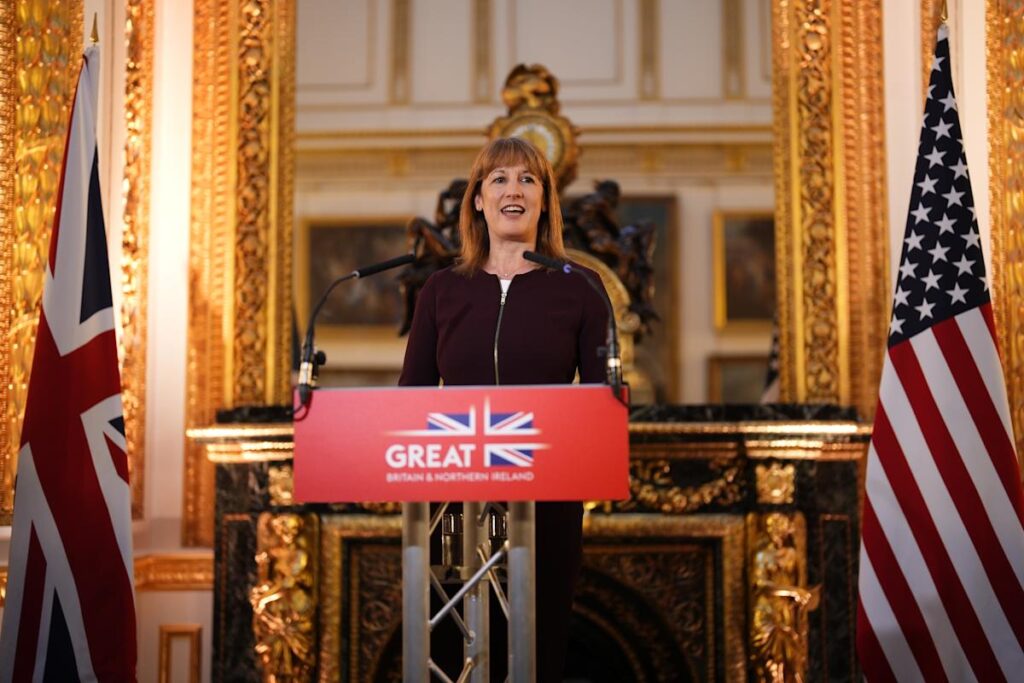
UK government borrowing rose by more than expected in August, adding to pressure on chancellor Rachel Reeves ahead of the autumn budget in November.
Public sector net borrowing rose to £18bn in August figures from the Office for National Statistics (ONS), published on Friday showed. This was £3.5bn more than in August 2024 and also higher than the £12.5bn forecast by the Office for Budget Responsibility (OBR) in March and consensus expectations of £12.8bn.
Grant Fitzner, chief economist for the ONS, said: “Last month’s borrowing was the highest August total since the pandemic. Although overall tax and national insurance receipts were noticeably up on last year, these increases were outstripped by higher spending public services, benefits and debt interest. Total borrowing for the financial year to date was also the highest since 2020.”
Government borrowing for the financial year to August came in at £83.8bn, which was £16.2bn more than in the same five-month period of 2024. This was also the second-highest April to August borrowing since monthly records began in 1993, after that of 2020.
Central government receipts were £84.3bn in August, which was £4.3bn more than the same month last year. Tax receipts increased by £1.6bn to £62.2bn, comprising of increases of £1bn in income tax receipts, £200m in value added tax (VAT) and £100m in corporation tax. An increase in employer NI contributions helped a £2.6bn rise in compulsory social contributions, bringing that total to £16.4bn.
However, provisional estimates showed that government spending came in at £89.1bn in August, which was £7.8bn more than the same month last year.
Read more: Bank of England slows quantitative tightening in boost for Rachel Reeves
The latest borrowing figures left the UK’s net debt at 96.4% of gross domestic product (GDP) at the end of August, which was 0.5 percentage points more than at the end of August 2024 and remains at levels last seen in the early 1960s.
James Murray, chief secretary to the Treasury, said: “This government has a plan to bring down borrowing because taxpayer money should be spent on the country’s priorities, not on debt interest.
[ad_2]
Source link